
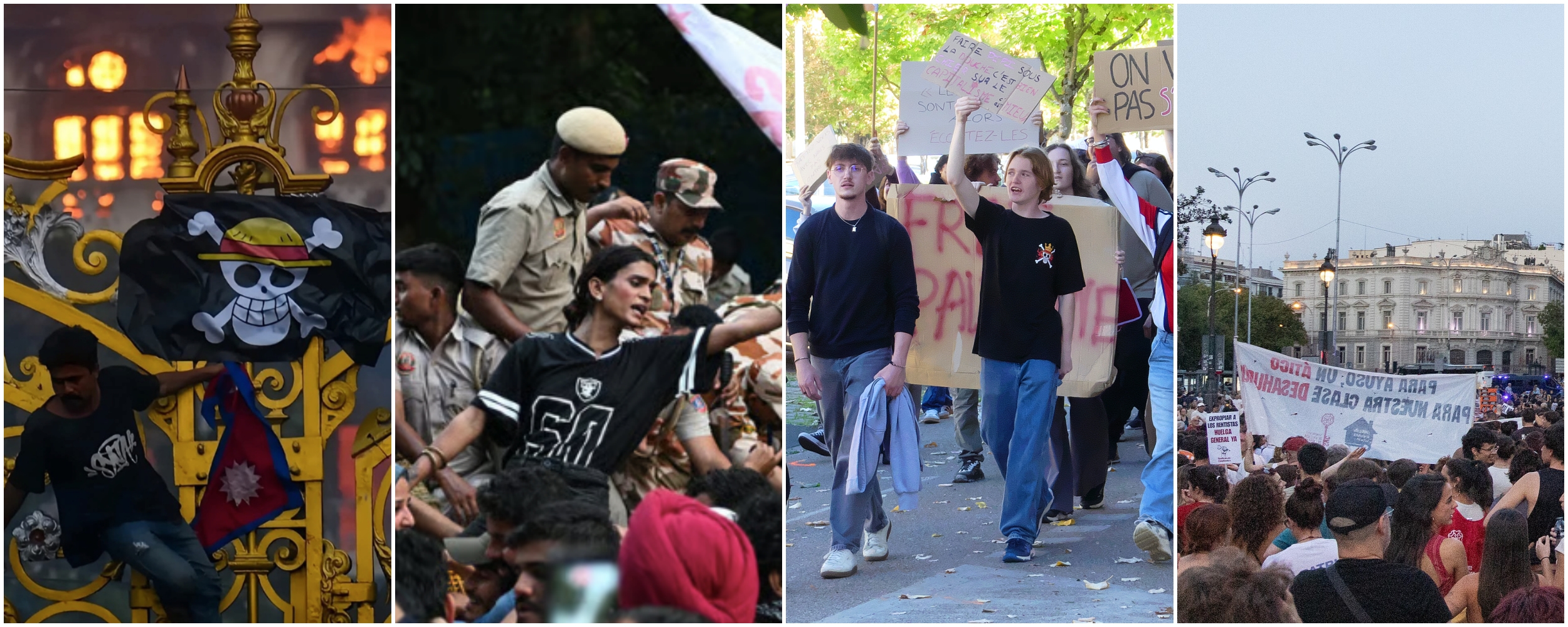
Nepal’s 2015 Constitution envisioned the devolution of political power from Kathmandu to the grassroots. Eleven years since its promulgation, however, Nepal is more centrally governed than ever.
Since 2015, Nepal has been governed by elected leaders who loathed the idea of decentralization. Federalism was just a slogan, and they never gave the provinces the chance to work, ensuring that they held the purse strings and power.
Alas, the new post-youth protest government, despite promises of reform, has not done much better.
The detention of former Chief Justice Cholendra Shumsher Rana, similar arrests and travel restrictions on top bankers and businesses exposed that the governing RSP doesn’t care much about due process.
Political power used to be concentrated in Kathmandu, then after 1990 it was in Singha Darbar. Now it is in the inner circle of the PMO. This is not surprising, since Prime Minister Balendra Shah and his RSP never had much love lost for federalism.
The latest proof of this entrenched centralised power structure was seen in the aftermath of the Trisuli Valley flood, where local governments, despite being first responders had to take a back seat to the dominance of federal agencies.
Wards and municipalities in Rasuwa and Nuwakot noted that crucial time was lost when urgent requests for search and rescue went largely unheeded. Relief was funneled through a single door system initially hindered aid from reaching where it was needed most.
To be sure, even the most efficient and well-oiled government machinery would have been overwhelmed by the scale of the disaster. But search, rescue and rehabilitation could have been much better coordinated with elected local governments which know their terrain best.
This week, Chief Ministers of six provinces met in Biratnagar to issue the Kosi Declaration 2026 and pressure the federal government to devolve political power to their provinces, following other similar gatherings in previous years.
Local elections are approaching, and that may force the RSP to at least show that it is for devolution. Nepal should not be following the global trend towards democratic backsliding.
The International Institute for Democracy and Electoral Assistance’s (International IDEA) 2026 Global State of Democracy report published last month concluded that for the 11th consecutive year, more countries declined in democratic performance than advanced.
The state of democracy was measured across four categories: representation, rights, rule of law, and participation. Nepal ranked 63rd in representation, 68th in rights, 77th in rule of law, and 51st in participation.
Comments
0 commentspsst, say something nice 💬